Darknet Markets 2026:
The dark web is part of the deep web but is built on darknets: overlay networks that sit on the internet but which can't be accessed without special tools or software like Tor. Tor is an anonymizing software tool that stands for The Onion Router — you can use the Tor network via Tor Browser.
| Darknet Market | Established | Total Listings | Link |
|---|---|---|---|
| TorZon Market | 2022 | 140+ | Onion Link |
| Nexus Market | 2024 | 600+ | Onion Link |
| Abacus Market | 2022 | 100+ | Onion Link |
| Ares | 2026 | 100+ | Onion Link |
| Cocorico | 2023 | 110+ | Onion Link |
Updated 2026-10-27
How Nexus Market's Security Makes Darnet Drug Trade Safe and Easy
The operational foundation of Nexus Market is its multilayered security architecture, which is essential for any platform facilitating commerce on the darknet. This architecture directly addresses the core requirement for anonymity and transactional security that users demand. The platform operates exclusively within the Tor network, ensuring that all user connections are encrypted and routed through multiple nodes, effectively concealing IP addresses and physical locations. This fundamental layer of network obfuscation is non-negotiable for creating a secure environment where participants can engage without fear of external surveillance.
Beyond basic access, the market employs a comprehensive escrow system managed by the platform itself. When a purchase is initiated, the buyer's cryptocurrency is held in escrow and is only released to the vendor after the buyer confirms satisfactory receipt of the goods. This mechanism serves a dual purpose:
- It protects buyers from fraudulent vendors who might not deliver the product.
- It assures vendors that payment is secured before they dispatch an order, mitigating the risk of financial loss.
This financial framework is reinforced by end-to-end encrypted messaging. All communications between buyers and vendors are encrypted, meaning that even the market administrators cannot read the contents. This ensures that sensitive details regarding orders, shipping, or other logistical matters remain private between the two transacting parties. The combination of Tor routing, mandatory escrow, and private messaging establishes a trustless system where commerce can proceed reliably based on protocol rather than requiring blind faith between anonymous individuals. This technical foundation is what allows for the consistent and secure trade of various goods, including recreational pharmaceuticals, by prioritizing user security and transactional integrity above all else.
How Escrow Makes Buying Drugs on the Darknet Safer
The escrow system is a fundamental component for secure transactions on Nexus Market. It functions as a neutral third-party holding service for cryptocurrency payments. When a buyer places an order, the funds are held by the market's escrow and are not released to the seller until the buyer confirms satisfactory receipt of the goods. This mechanism directly addresses the inherent trust deficit in anonymous digital trade.
The process establishes a balanced framework of accountability. For the buyer, it eliminates the risk of sending payment without a guaranteed product delivery. For the seller, it provides assurance that the buyer has indeed committed the funds before shipment is initiated. The system incentivizes honest conduct, as vendors receive payment promptly upon completion, while buyers have a clear path to dispute resolution if an order does not meet the advertised specifications. Disputes are typically mediated by market administrators, who review communication and evidence before deciding to release funds to the seller or return them to the buyer.
This escrow model effectively reduces fraud and builds a foundation for reliable commerce. It allows Nexus Market to facilitate transactions for a wide range of goods, including regulated pharmaceuticals and recreational substances, by ensuring that exchanges are conducted fairly. The result is a self-reinforcing cycle of trust where successful escrow transactions contribute to positive user reviews and stronger vendor reputations, further stabilizing the marketplace.
How Encryption Protects Deals on the Darknet
Encrypted communication on Nexus Market functions as the primary mechanism for ensuring transactional privacy. All messages between buyers and vendors are secured using end-to-end encryption (E2EE). This means that the message content is scrambled on the sender's device and can only be unscrambled by the intended recipient's device. The market's servers facilitate the delivery of these encrypted packets but lack the cryptographic keys to decipher them, rendering intercepted data useless to any third party.
The system typically employs established cryptographic protocols like PGP (Pretty Good Privacy). Users generate a unique pair of keys: a public key, which is shared on their profile and used by others to encrypt messages to them, and a private key, which is kept secret and used to decrypt incoming messages. This model ensures that even if market administrators were compelled to hand over data, the actual substance of communications would remain confidential. The technical implementation directly supports anonymous commerce by separating user identity from transactional dialogue.
The practical benefits for commerce are clear:
- Negotiations on product specifics, pricing, and shipping details are conducted with a high degree of confidentiality.
- Sensitive information, such as delivery addresses, is shared only through this encrypted channel, minimizing operational risk.
- The integrity of feedback and review systems is protected, as discussions cannot be tampered with or monitored externally.
This reliance on robust, user-controlled encryption fosters a climate where parties can engage in trade with the assurance that their conversations are as private as their transactions. It removes the need for trust in the platform's infrastructure regarding message security, placing control directly with the users. The result is a communication environment that is functionally secure, supporting the reliable exchange of goods by making privacy a default and non-negotiable feature of all interactions.
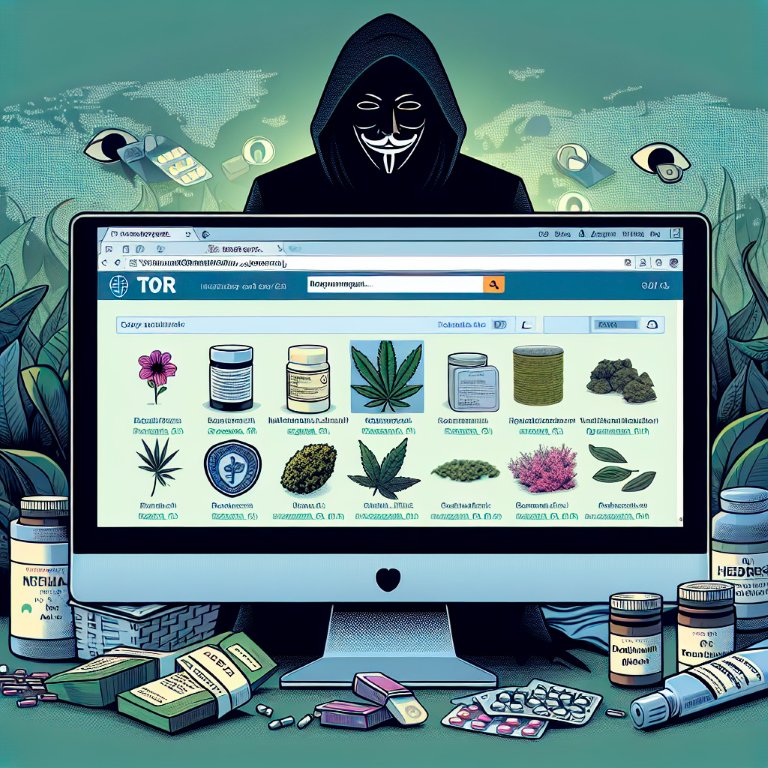
How Reviews Make Buying on the Darknet Safer
The feedback system on Nexus Market functions as a decentralized reputation mechanism, directly replacing the need for traditional institutional guarantees. Each transaction concludes with an opportunity for the buyer to leave a detailed review and a numeric rating. This creates a transparent record of vendor performance that is permanently linked to their profile.
The cumulative rating and the content of individual reviews serve multiple critical purposes for market integrity. For buyers, they provide actionable intelligence on product quality, shipping speed, and communication reliability before a purchase is made. A vendor with hundreds of positive reviews establishes a verifiable track record, significantly reducing the perceived risk for new customers. The review system inherently discourages fraudulent behavior, as a single scam transaction would generate immediate negative public feedback, damaging a vendor's standing and future sales potential.
This environment fosters a self-correcting marketplace where high standards are incentivized. Vendors are motivated to maintain consistent quality and professional service to preserve their ratings. The system's design includes safeguards against manipulation:
- Reviews can typically only be submitted by users who have finalized a transaction through the escrow system.
- Detailed feedback prevents generic spam and encourages specific, useful comments.
- The historical review log allows buyers to assess consistency over time, not just a snapshot rating.
Ultimately, the user review framework transforms subjective experience into an objective, crowd-sourced metric of trust. It empowers the community to collectively vet and validate sellers, creating a stable foundation for anonymous commerce based on demonstrated performance rather than promises.
How Vendor Checks Make Darknet Drug Buying Safer
The verification of vendors is a fundamental component of the operational integrity on Nexus Market. This process establishes a trust hierarchy that directly correlates with transaction reliability. New vendors undergo an initial screening phase, which often involves a bond payment or demonstration of operational security knowledge. This initial barrier prevents casual or malicious actors from easily listing products, thereby elevating the baseline quality of available goods.
As vendors conduct successful transactions, they accumulate positive feedback and sales volume, which the platform's algorithms translate into visible trust badges and higher search rankings. This system creates a positive feedback loop: reliable service begets more business and higher status. The market's architecture allows buyers to filter searches by vendor verification level, making established, high-reputation sellers easily identifiable. This transparent metric reduces buyer risk and incentivizes vendors to maintain consistent quality and professional conduct.
The verification framework extends beyond mere transaction count. It incorporates encrypted communication logs and dispute resolution histories. Vendors who consistently use the platform's secure messaging and honor escrow agreements solidify their standing. This multi-faceted approach to verificationcombining financial commitment, community feedback, and behavioral analysiscreates a self-policing ecosystem. It ensures that the most prominent vendors are those who have repeatedly proven their commitment to secure and reliable commerce, which is essential for all product categories traded on the darknet.

How a Darknet Community Builds Trust for Safer Trade
The operational stability of Nexus Market is not imposed by external authorities but emerges from its user base. This self-regulating community establishes and enforces its own standards for conduct and transaction quality. Vendors who consistently provide high-purity products, accurate descriptions, and reliable shipping gain positive feedback, which directly translates into higher visibility and sales. Conversely, attempts at fraud or the sale of misrepresented goods are met with immediate and impactful community sanctions.
These sanctions are primarily executed through the platform's review and reputation system. A vendor with a pattern of negative reviews will see their business deteriorate rapidly, as buyers have access to transparent historical data. This creates a powerful economic incentive for honest dealings. The community further self-regulates through forum discussions where users share experiences and warn others about potential scams, creating a collective intelligence that benefits all participants. This organic system of checks and balances ensures that market standards for reliable commerce are maintained by the very individuals who have a vested interest in the platform's integrity and longevity.
Reliable Service for Darnet Commerce
The longevity of a darknet marketplace is a direct function of its operational stability. Nexus Market demonstrates resilience through its robust technical infrastructure, which is designed to mitigate common points of failure. The platform employs redundant server architectures and frequent mirror updates to ensure consistent uptime, preventing the disruptions that plague less organized platforms.
This technical foundation supports consistent service delivery. Transaction processing, escrow fund holding, and encrypted messaging systems operate without significant interruption. For commerce, especially in sectors like pharmaceuticals and recreational substances, this reliability is paramount. Sellers can manage inventories and fulfill orders predictably, while buyers receive their goods with expected timing, fostering a routine commercial environment.
The markets administrative protocols further reinforce this stability. Decisions regarding vendor status, dispute resolution, and platform rules are applied uniformly. This creates a predictable operational climate where all participants understand the framework for trade. The result is a self-sustaining ecosystem where consistent service is not an aspiration but a standard feature, enabling planned commercial activity and long-term vendor-customer relationships.

How Darknet Markets Meet Privacy Demands for Digital Trade
The demand for privacy in digital commerce is a primary driver for platforms like Nexus Market. This darknet platform addresses this demand by integrating several technical and procedural layers that ensure transactional anonymity. The use of cryptocurrencies, primarily Bitcoin and Monero, provides a financial layer where transactions are pseudonymous and not directly tied to real-world identities. This financial privacy is a fundamental requirement for users who wish to engage in commerce for various goods, including recreational substances, without exposing their financial records.
Beyond financial transactions, communication privacy is secured through mandatory end-to-end encryption. All messages between buyers and vendors are encrypted, meaning only the intended recipient can decipher the content. This system prevents eavesdropping and ensures that sensitive information, such as shipping details, remains confidential. The platform's architecture itself, accessible only via networks like Tor, obscures user IP addresses, adding another critical layer of location and identity protection.
The operational model of Nexus Market demonstrates that privacy and reliability are not mutually exclusive. The platform's escrow system and user review mechanism function effectively within this private environment. Funds are held in escrow until the buyer confirms receipt, which protects both parties without requiring them to disclose trust to a central authority. Simultaneously, detailed user reviews build a transparent reputation system for vendors, creating a self-regulating community where privacy does not come at the expense of security or service quality. This combination allows for the consistent and resilient exchange of goods that users require.
How the Model Works for All Goods, Including Drugs
The operational model of Nexus Market, built on encrypted communication, escrow services, and a self-regulating community, creates a standardized environment for commerce that extends beyond a single product category. This framework ensures reliability for transactions involving digital goods, security software, and pharmaceuticals, including regulated substances. The system's neutrality allows it to facilitate trade for any good where mutual agreement exists between buyer and vendor, provided community standards are met.
The vendor verification process and the user review system are critical for scaling this reliability. A vendor with a strong history in one category, such as digital products, carries their established trust into other categories, like botanicals or research chemicals. This portability of reputation is possible because the underlying mechanismssecure funds holding and dispute resolutionfunction identically regardless of the item listed. The market's infrastructure treats transaction security and privacy as universal constants.
This consistency supports a diverse ecosystem where demand for privacy and discretion is high. For goods like psychedelics or prescription medications, which individuals may seek for personal use but face legal or social barriers in obtaining, the platform provides a functional alternative. The model does not differentiate between goods based on local legality; it differentiates based on the vendor's ability to deliver as promised and the buyer's verified satisfaction. This creates a resilient, demand-driven economy where the operational resilience of the market itself guarantees service continuity for all commerce conducted within its parameters.