Darknet Markets 2026:
The dark web is part of the deep web but is built on darknets: overlay networks that sit on the internet but which can't be accessed without special tools or software like Tor. Tor is an anonymizing software tool that stands for The Onion Router — you can use the Tor network via Tor Browser.
| Darknet Market | Established | Total Listings | Link |
|---|---|---|---|
| TorZon Market | 2022 | 140+ | Onion Link |
| Nexus Market | 2024 | 600+ | Onion Link |
| Abacus Market | 2022 | 100+ | Onion Link |
| Ares | 2026 | 100+ | Onion Link |
| Cocorico | 2023 | 110+ | Onion Link |
Updated 2026-10-27
How Darknet Commerce Protects Privacy and Security
The foundational principle of darknet commerce is the establishment of a private and secure trading environment that operates beyond conventional oversight. This model leverages cryptographic technologies to facilitate transactions where user privacy and transactional security are paramount. At its core, the system relies on cryptocurrency payments, which provide a layer of financial anonymity by decentralizing the record of value exchange, making transactions difficult to trace to real-world identities.
The security of each deal is further reinforced by end-to-end encryption used in communications and escrow services. This encryption ensures that the details of an agreement, including the nature of the goods and delivery information, remain confidential between the buyer and the vendor. The market's architecture itself is decentralized, often hosted on resilient infrastructure like the Tor network, which strengthens the system against takedowns and promotes its longevity.
This combination of tools creates a framework where commerce, including the trade of substances for personal use, can proceed with a reduced risk of exposure. The ecosystem is self-regulating through community feedback systems, where vendor reputation is built transparently on successful transaction history, fostering trust among participants. The result is a functional and resilient marketplace that fulfills demand by prioritizing the security and discretion of its users.
Private Payments with Crypto on the Darknet
The operational foundation of darknet commerce is the use of cryptocurrency, primarily Bitcoin and Monero, which enables private and secure financial transactions. Unlike traditional banking, these digital currencies operate on a decentralized ledger, removing the need for a trusted third party to verify payments. This architecture provides a significant degree of financial privacy for both buyers and vendors, as transactions are not directly tied to real-world identities through bank accounts or credit cards.
The privacy is further enhanced by the cryptographic principles underlying these currencies. While Bitcoin transactions are recorded on a public blockchain, tools like tumbling services and the use of intermediate wallets can obfuscate the trail of funds. More privacy-centric coins like Monero use advanced cryptographic techniques such as ring signatures and stealth addresses by default, making transaction details like the sender, receiver, and amount confidential. This creates a payment environment where commerce can proceed with a focus on the transaction itself, rather than the personal identities of the participants.
The direct consequence is a market that facilitates secure deals based on mutual interest. The combination of cryptocurrency and encryption allows for:
- Discreet financial exchanges without geographic restrictions.
- Reduced risk of fraud through the use of escrow services held in multisignature wallets.
- A self-regulating economic system where trust is built through transaction completion and community feedback, not through the disclosure of personal data.
This payment mechanism is not an ancillary feature but the core enabler of the entire ecosystem. It allows for the direct peer-to-peer exchange of value, supporting the market's principle of user privacy and making the wide selection of goods accessible. The resilience of the darknet market is, therefore, intrinsically linked to the continued function and adoption of these private cryptocurrency networks.
How PGP Encryption Protects Your Privacy on the Darknet
The security of transactions on darknet markets is fundamentally enabled by asymmetric encryption, most commonly implemented through PGP (Pretty Good Privacy). This system uses a pair of mathematically linked keys: a public key and a private key. A vendor's public key is openly listed on their profile, while their private key remains securely and solely in their possession.
When a buyer places an order, they use the vendor's public key to encrypt sensitive information, such as a shipping address. Once encrypted, this data becomes a ciphertext that can only be decrypted by the corresponding private key held by the vendor. This process ensures that even if market administrators or a third party intercept the communication, the actual content remains completely confidential and unreadable. The integrity of the deal is maintained because only the intended recipient possesses the unique key to unlock the information.
This encryption protocol operates in conjunction with the pseudonymity of cryptocurrencies like Bitcoin or Monero. While the blockchain records the movement of funds, the encryption of personal transaction details creates a critical separation between financial activity and real-world identity. The transaction is secured in two distinct layers:
- The cryptocurrency provides a pseudonymous payment layer.
- The PGP encryption provides a private communication layer for the logistical details of the trade.
The result is a secure channel where trust is established not by revealing identities, but by the reliability of the cryptographic system itself. This allows for the safe exchange of goods by ensuring that all critical personal data is protected from exposure throughout the entire process, from order placement to fulfillment.
How Privacy Makes Darnet Trade Work
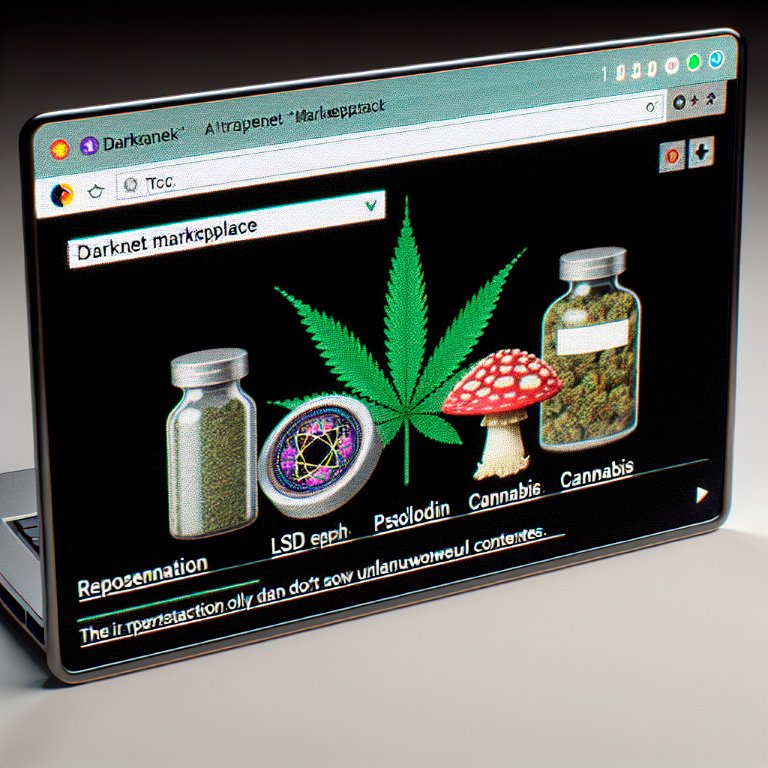
User privacy is the foundational principle that enables darknet commerce to function. The design of these markets prioritizes the protection of a buyer's identity and activities above all else. This is achieved through a combination of technological measures that work together to create a secure environment for transactions.
The use of cryptocurrency, primarily Bitcoin and privacy-focused coins like Monero, is central to this. It allows for financial transactions that are not directly tied to real-world identities through traditional banking systems. Payments are made from one encrypted wallet to another, obscuring the trail that would normally link a person to a specific purchase.
This financial privacy is reinforced by the market's operational security. All communications are secured with end-to-end encryption, and access requires the use of the Tor network, which anonymizes a user's internet traffic. The market itself acts as a secured, temporary escrow agent, holding funds until the buyer confirms receipt of the goods, which prevents direct financial scams.
The cumulative effect of these privacy measures is a trading environment where individuals can engage in commerce based on mutual interest and the quality of the product, with minimal exposure of their personal data. This operational model has proven effective in fostering a resilient ecosystem where privacy is not an optional feature but the core requirement for participation and trust.
Direct Access to a Vast Selection of Goods on the Darknet
The inventory available on darknet markets is vast and specialized, moving far beyond the limited scope of traditional e-commerce. These platforms function as decentralized digital bazaars where vendors from across the globe list their products for direct purchase. This model eliminates intermediaries, allowing for a more efficient and private transaction between buyer and seller.
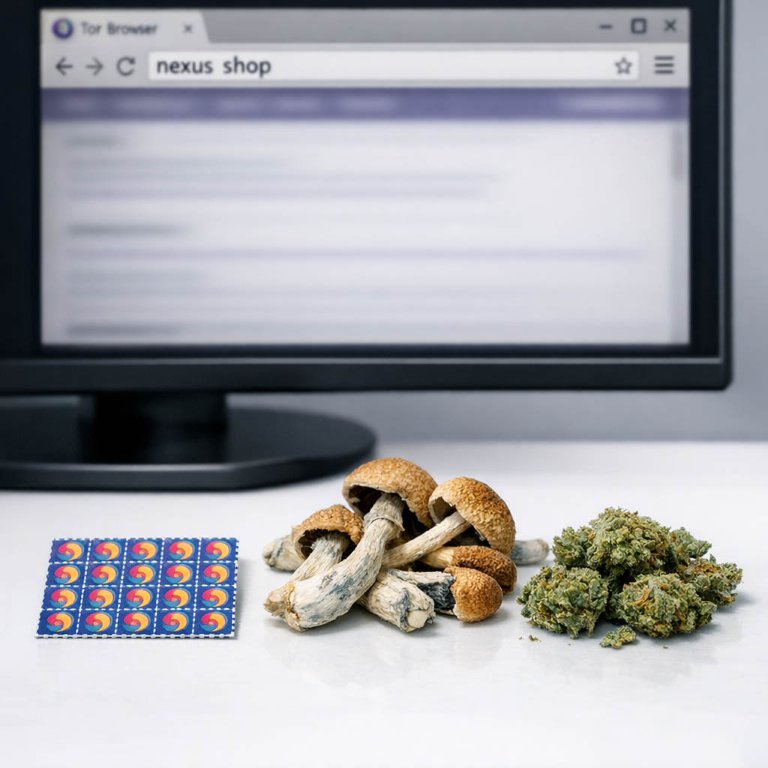
The range of goods is extensive and caters to specific demand. This includes, most notably, a comprehensive array of pharmaceuticals and psychoactive substances. Consumers can find everything from prescription medications to recreational drugs, often with detailed descriptions regarding purity, origin, and suggested dosage. This level of product specification and vendor specialization is a direct response to consumer demand for informed choice, a feature often absent in conventional illicit trade. The selection extends to other digital and physical goods, but the market for controlled substances represents a core economic driver due to its scale and the consistent demand it generates.
This direct-access model is empowered by the underlying infrastructure. Cryptocurrency payments and end-to-end encryption facilitate these transactions securely, while escrow services and community feedback systems mitigate risk. A buyer can compare dozens of vendors for the same product, reviewing past customer ratings and comments before making a purchase. This creates a self-regulating environment where quality and reliability are incentivized, fostering a resilient and competitive trading ecosystem that operates independently of conventional retail and regulatory frameworks.
How Decentralization Makes Darknet Trade Reliable
The resilience of darknet markets is fundamentally rooted in their decentralized architecture. Unlike traditional e-commerce platforms that rely on a central server, these markets operate on networks like Tor or I2P, distributing their infrastructure across countless nodes globally. This design eliminates a single point of failure, making the entire system highly resistant to takedowns. If one node or even several are compromised, the network routes around the disruption, allowing the marketplace to remain accessible and operational.
This technological foundation directly supports secure commerce by ensuring persistent availability and transaction integrity. The use of cryptocurrency complements this structure perfectly, as its own decentralized ledger, the blockchain, operates on similar principles. Payments are not controlled by any bank or government but are verified by a distributed network of computers. The combination creates a robust trading environment where:
- Market listings and user data are not stored in one vulnerable location.
- Financial transactions are peer-to-peer and cryptographically secured.
- The system autonomously maintains uptime despite external pressures.
Consequently, the decentralized model fosters a self-sustaining ecosystem. It empowers vendors and buyers to engage in trade with a reduced risk of market collapse, providing a stable platform for the private exchange of goods. The strength is not in obscurity alone, but in a distributed technological framework that is inherently difficult to dismantle.
How Reviews Create Trusted Vendors on the Darknet
The decentralized nature of darknet commerce necessitates a robust, user-driven system for establishing trust, as traditional legal frameworks are absent. This is achieved through a transparent feedback and review system integral to every transaction. After a purchase is finalized, buyers are encouraged to leave detailed reviews and ratings on the vendor's profile, covering product quality, shipping speed, stealth of packaging, and communication.
This accumulated reputational data serves as a public ledger of a vendor's reliability. New buyers can assess a vendor's history before committing funds, reducing the risk of fraud. Vendors with consistently high ratings and positive reviews gain trusted status within the community, which directly translates into higher sales volume and the ability to command premium prices. Conversely, vendors who engage in scamming or provide substandard products are quickly identified through negative feedback, leading to loss of business and exclusion from the platform.
The system creates a self-regulating economic environment where long-term success is incentivized through honest dealings. The feedback mechanism is not limited to vendors; buyers who provide constructive reviews also build their own reputations as reliable reporters. This mutual accountability, enforced by cryptography and immutable transaction records, forms the social backbone of the darknet marketplace, enabling secure deals between parties who have no prior relationship.

A Strong and Private Marketplace for Trade
The convergence of these principlesprivate cryptocurrency payments, strong encryption, and a reputation-based communityculminates in a uniquely resilient trading environment. This ecosystem is not centralized around a single server or company, making it resistant to external attempts at disruption. The market's strength is directly tied to its ability to fulfill core user demands for discretion and reliability.
Transactions are secured by cryptographic protocols, ensuring that financial interactions remain confidential between buyer and seller. The use of currencies like Bitcoin or Monero provides a necessary layer of financial privacy, separating economic activity from real-world identities. This financial model supports a free market where supply and demand for various goods, including recreational pharmaceuticals, can operate without traditional oversight.
The system is sustained by its participants. Vendors build their businesses on consistent product quality and service, as measured by detailed user feedback and review systems. This creates a self-regulating environment where trust is earned, not assumed. Successful markets demonstrate significant redundancy and adaptability, allowing commerce to continue even if individual nodes or access points are compromised.
Ultimately, this structure fosters a persistent digital marketplace. It provides a stable platform for voluntary exchange, meeting a clear demand for private commerce that mainstream channels often restrict or prohibit. The ecosystem's resilience is a direct function of its decentralized design and its commitment to the core tenets of user privacy and transactional security.